Available courses

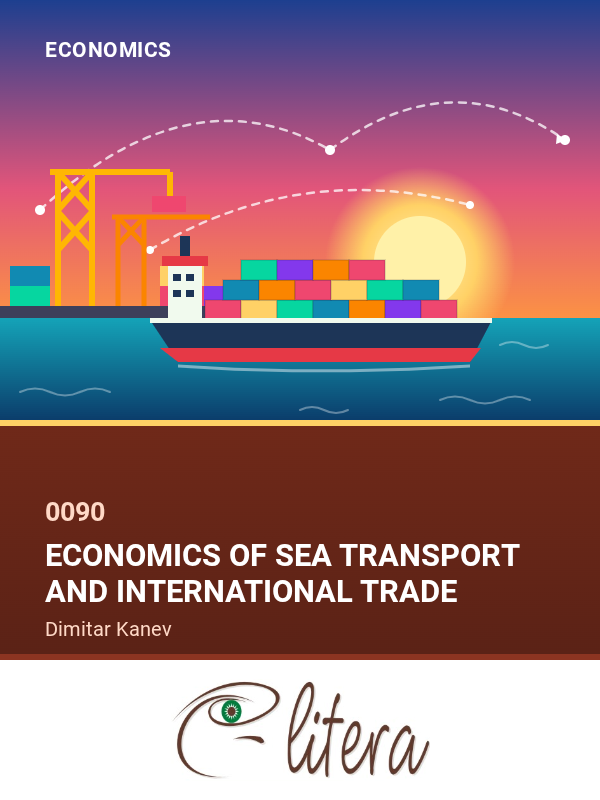
The course is designed for part-time non-degree education of shipbrokers at the Nikola Vaptsarov Naval Academy, Varna, Bulgaria. The basic aim of the course is to give a fundamental understanding of the economic theory of shipping and international trade, to develop analytical skills and to relate theory with empirical evidence.

  • The textbook – 15 chapters in six parts, from seaborne trade and freight markets to ports and international trade.
  • Model Lab – 20 interactive models.
  • Glossary – 192 terms.
  • AI-powered resources – on maritime economics.
  • Tests – two midterm tests and a final exam.

Version: 2026/2027

▶ Watch a one-minute video about this title

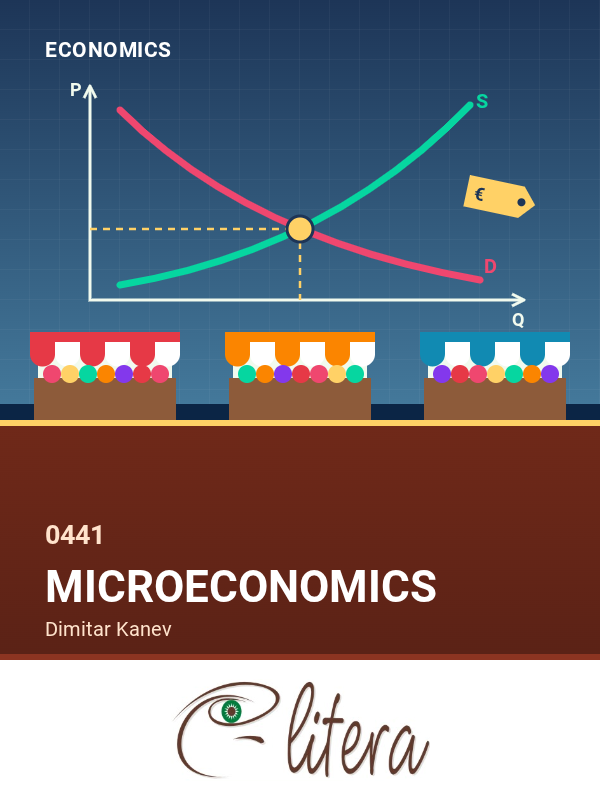
A Guide to Microeconomic Thinking – a complete introductory course in microeconomics, built around the e-textbook by Prof. Dimitar Kanev. Twelve chapters take you from scarcity and opportunity cost to markets, firms, and market failures.

  • The textbook – 12 chapters with 54 figures and the key concepts of every chapter.
  • Model Lab – 32 interactive models: move the curves, change the parameters, and predict what happens before you see it.
  • Exercises for Self-Study – 120 problems with worked solutions; numerical answers are checked as you go.
  • Glossary – 457 concepts, each linked to the section of the book that explains it.
  • Tests – a practice test for every chapter and a final test of 30 questions drawn from a bank of 840.

Version: 2026/2027

▶ Watch a one-minute video about this title

The Machine Elements handbook is intended for marine engineers. It is based on the IMO Model Course 7.04 “Officer in charge of an Engineering Watch”. It is mostly practically oriented.

  • The textbook – an electronic edition: introduction and 10 topics.
  • Model Lab – 10 interactive models.
  • Mind Maps – one for each of the 10 topics: a map of the contents, a relationship diagram and cause → effect chains.
  • Practicum – 10 solved engineering cases from ships with 43 numerical checks and Model Lab worksheets.
  • Glossary – 182 terms, each linked to the textbook.
  • Exercises – 3 sets of computational problems (28 problems) on loads, threaded joints and fits, couplings and drives, gears, bearings and deck mechanisms, with new numbers in every attempt and automatic checking.
  • Test – a test on the whole course.

Version: 2026/2027

▶ Watch a one-minute video about this title

Seaworthiness is the ability of vessels to sail as well as to remain stable on the water surface, to provide normal living conditions for the people and safe ship operation which does not endanger the environment. The Maintain of Seaworthiness of the Ship Teaching Guide covers the IMO 7.03 and 7.04 Model Courses for the education of ship officers.

  • The textbook – an electronic edition in 10 chapters.
  • Model Lab – 5 interactive models of ship stability.
  • Mind Maps – one for each of the 10 chapters: a map of the contents, a relationship diagram and cause → effect chains.
  • Practicum – 6 cases with 28 numerical checks, find-the-error tasks and a summary seaworthiness assessment.
  • Glossary – 137 terms, each linked to the textbook.
  • Exercises – 4 sets of computational problems on stability, the IMO criteria, cargo shifting and free surfaces, and the heeling trial, with new numbers in every attempt and automatic checking.
  • Test – a test on the whole course.

Version: 2026/2027

▶ Watch a one-minute video about this title

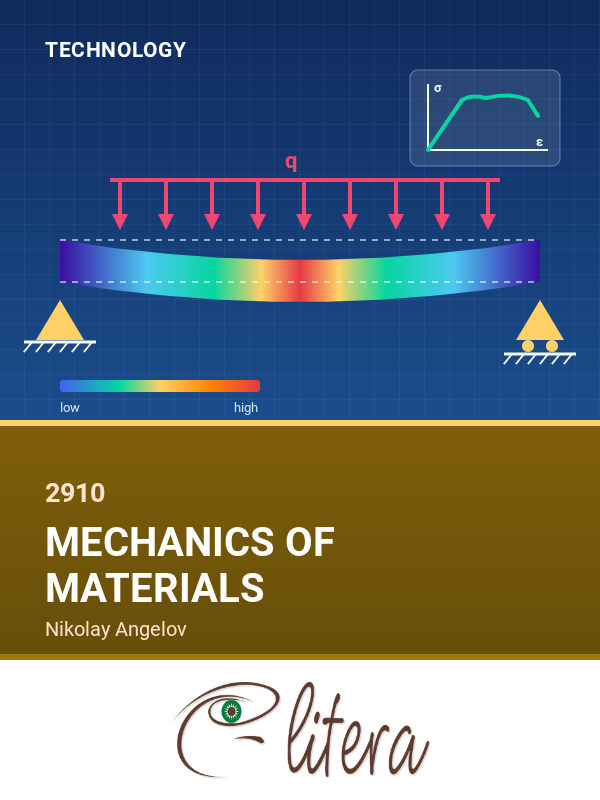
This textbook is intended for students from speciality "Ship Machines and Mechanisms" in Nikola Vaptsarov Naval Academy for the discipline "Mechanics of Materials". It is not a detailed and comprehensive course for this discipline. The author aims to present the content in the most accessible and illustrated way. Besides, all examples aim to show the applicability of the theory in the future work of students, namely the operation of ship machinery and mechanisms. The knowledge acquired in this discipline is a theoretical foundation in the study of special disciplines.

  • The textbook – an electronic edition in 12 chapters.
  • Model Lab – 12 interactive models.
  • Mind Maps – one for each chapter: a map of the contents, a relationship diagram and cause → effect chains.
  • Practicum – 10 solved engineering cases from ships with 42 numerical checks and Model Lab worksheets.
  • Glossary – 160 terms, each linked to the textbook.
  • Exercises – 12 sets of computational problems, one for each chapter, with new numbers in every attempt and automatic checking.
  • Test – a theory test.

Version: 2026/2027

▶ Watch a one-minute video about this title

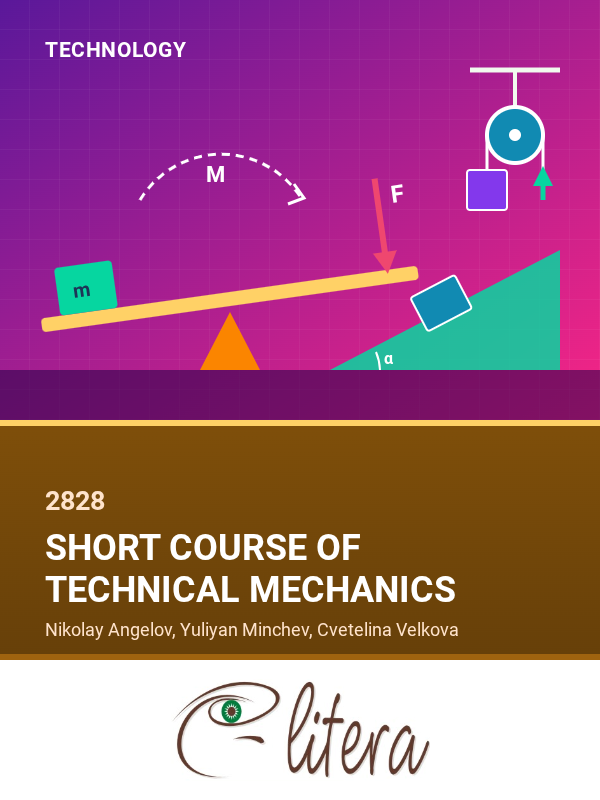
The course to Technical Mechanics is designed for students of non-mechanic specialties studying shortened course to mechanics. It considers the basic issues of “Theoretical Mechanics” and “Mechanics of Materials” according to syllabuses for specialties “Navigation” and “Exploitation Fleet and Ports” and other non-mechanical specialties.

  • The textbook – an electronic edition in 16 lectures: statics, kinematics, dynamics and mechanics of materials.
  • Model Lab – 12 interactive models.
  • Mind Maps – one for each of the 16 lectures: a map of the contents, a relationship diagram and cause → effect chains.
  • Practicum – 10 solved engineering cases with 49 numerical checks and Model Lab worksheets.
  • Glossary – 194 terms, each linked to the textbook.
  • Exercises – 4 sets of computational problems on statics, kinematics, dynamics and mechanics of materials, with new numbers in every attempt and automatic checking.
  • Tests – in technical mechanics and in theoretical mechanics.

Version: 2026/2027

▶ Watch a one-minute video about this title


Course categories